
Digital Footprints: The Traces We Leave Behind Online
- trishamehta37
- May 25
- 2 min read
Every time you search something, like a post, watch a video, or visit a website, you leave behind a small trail of data. Most people do not think about it, but these traces add up over time and create what is known as a digital footprint. In today’s connected world, almost everything we do online leaves some kind of record behind.
What Is a Digital Footprint?
A digital footprint is the collection of data and information created through your online activity. This can include things you post intentionally, such as photos or comments, as well as information collected in the background while you browse the internet.
There are two main types of digital footprints:
Active digital footprints are created when users intentionally share information online, like posting on social media, sending messages, or commenting on videos.
Passive digital footprints are collected without users always realizing it, such as browsing history, cookies, location data, or websites tracking activity.

Everyday Examples of Digital Footprints
Digital footprints are created almost everywhere online. Some common examples include:
Searching something on Google
Liking or sharing posts on social media
Accepting cookies on websites
Shopping online
Using apps that track location data
Streaming videos or music
Even just visiting a website can leave behind information about your device, browser, or location.
Why Digital Footprints Matter
Digital footprints are important because they can affect privacy, security, and even future opportunities. Companies usually collect user data to personalize advertisements, recommend content, or improve their services. While this can make apps and websites more convenient, it also means that large amounts of personal information are constantly being collected and stored.
Digital footprints can also impact reputations. Colleges, employers, and organizations may look at someone’s online presence before making decisions. Once something is posted online, it can be extremely hard to completely remove it.
How to Protect Your Digital Footprint
Although it is almost impossible to completely avoid leaving a digital footprint, there are ways to reduce and manage it:
Use strong privacy settings on social media
Be careful about what you post online
Avoid clicking suspicious links
Regularly clear cookies and browsing history
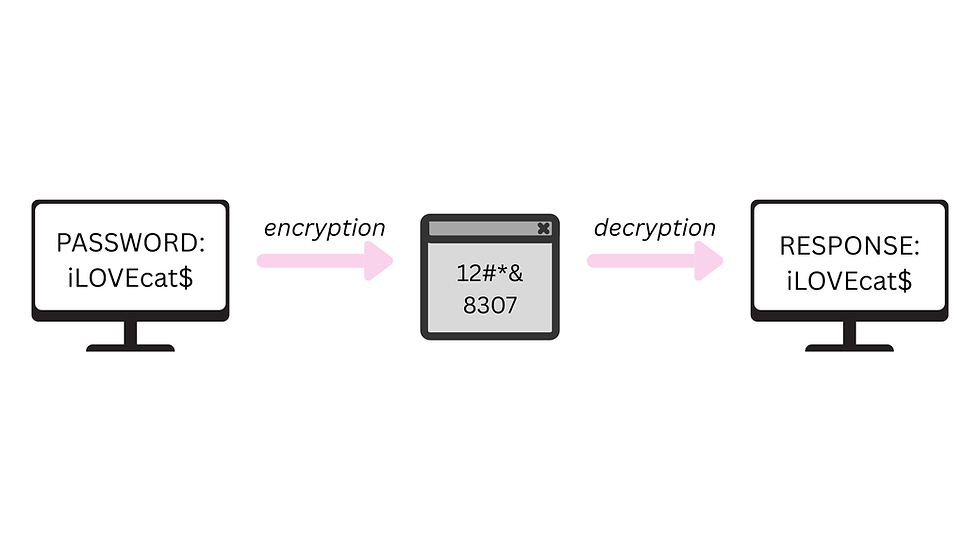
Use strong passwords and two-factor authentication
Think before sharing personal information online
Being aware of your online activity is one of the best ways to stay safe and protect your privacy.

Conclusion
Digital footprints are a normal part of using the internet, but many people do not realize how much information they leave behind every day. From social media activity to website tracking, our online actions create data that can be stored, analyzed, and shared. Understanding digital footprints helps people become more aware of their online presence and make smarter decisions about privacy and security in a digital world.


Comments